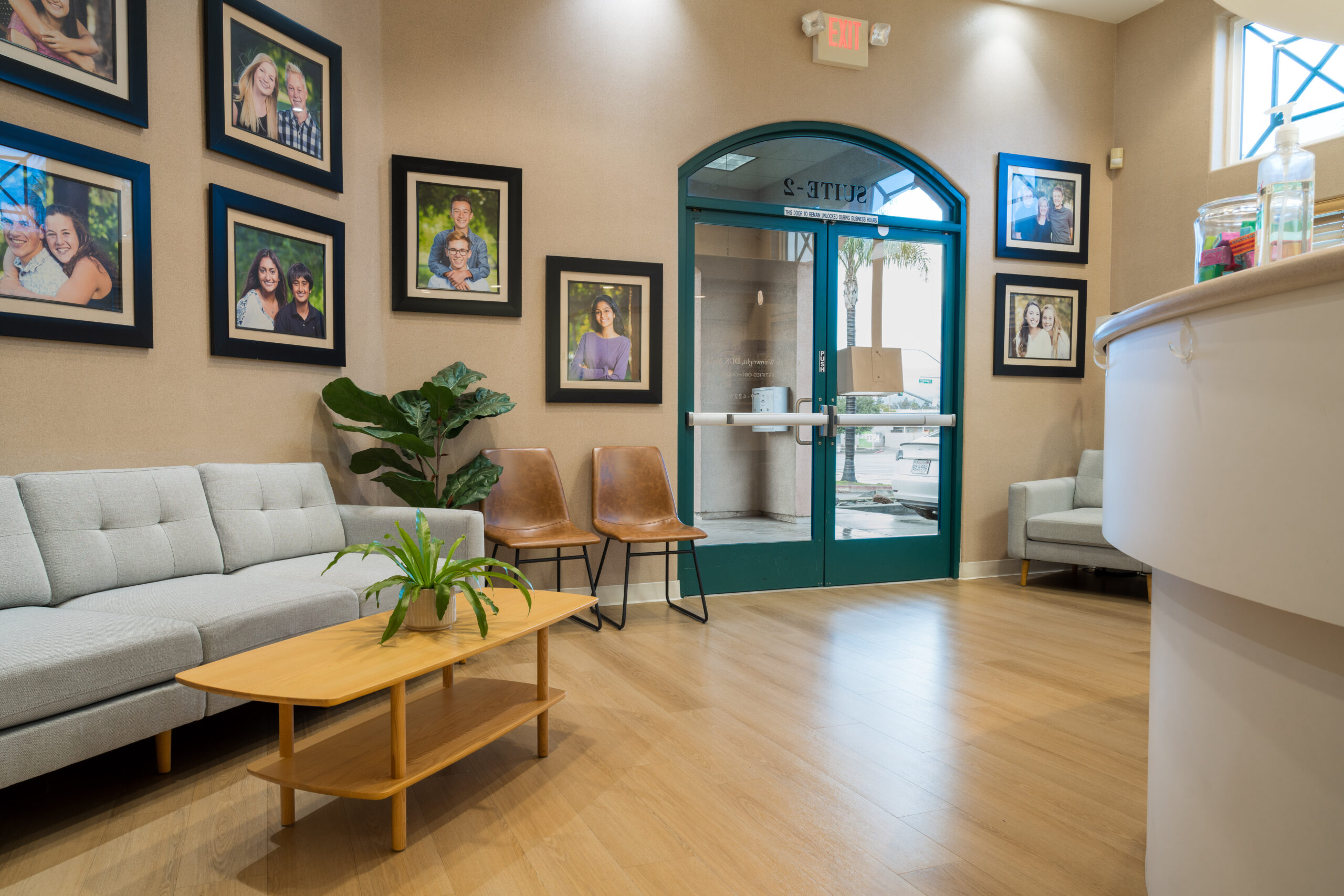
Your smile, guided by a specialist
At Keller & Wainwright Orthodontics, orthodontics is our sole focus. That means specialized systems, dedicated workflows, and a team highly trained in providing orthodontic care — with collaboration across other specialists when a case calls for it.
Every case is designed and personally led by Dr. Gabrielle Wainwright, a board-certified specialist with the training to handle straightforward and complex cases alike.
We treat children, teens, and adults with conservative, evidence-based care, focused on long-term stability, function, and results that hold up over time.
Precise Diagnostics
In-house diagnostic imaging enables comprehensive, patient-specific evaluation, ensuring that each treatment recommendation is informed by individual anatomy, skeletal and dental development, and long-term functional objectives
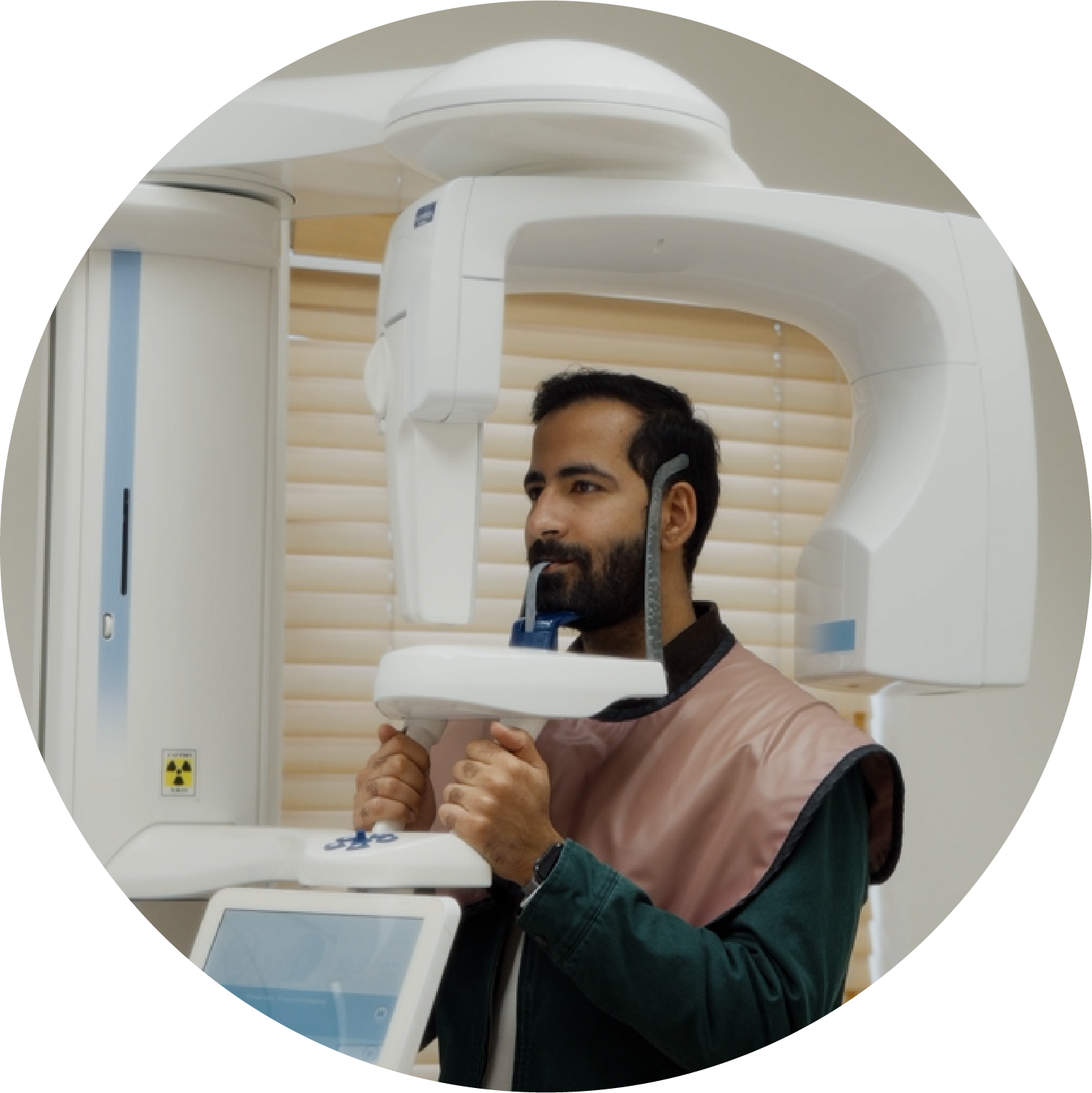
3D CBCT Imaging
Our cone beam CT system captures detailed three-dimensional images of your teeth, roots, bone structure, and airway at ultra-low radiation levels. CBCT allows Dr. Wainwright to assess root position, bone density, and jaw relationships with exceptional accuracy.
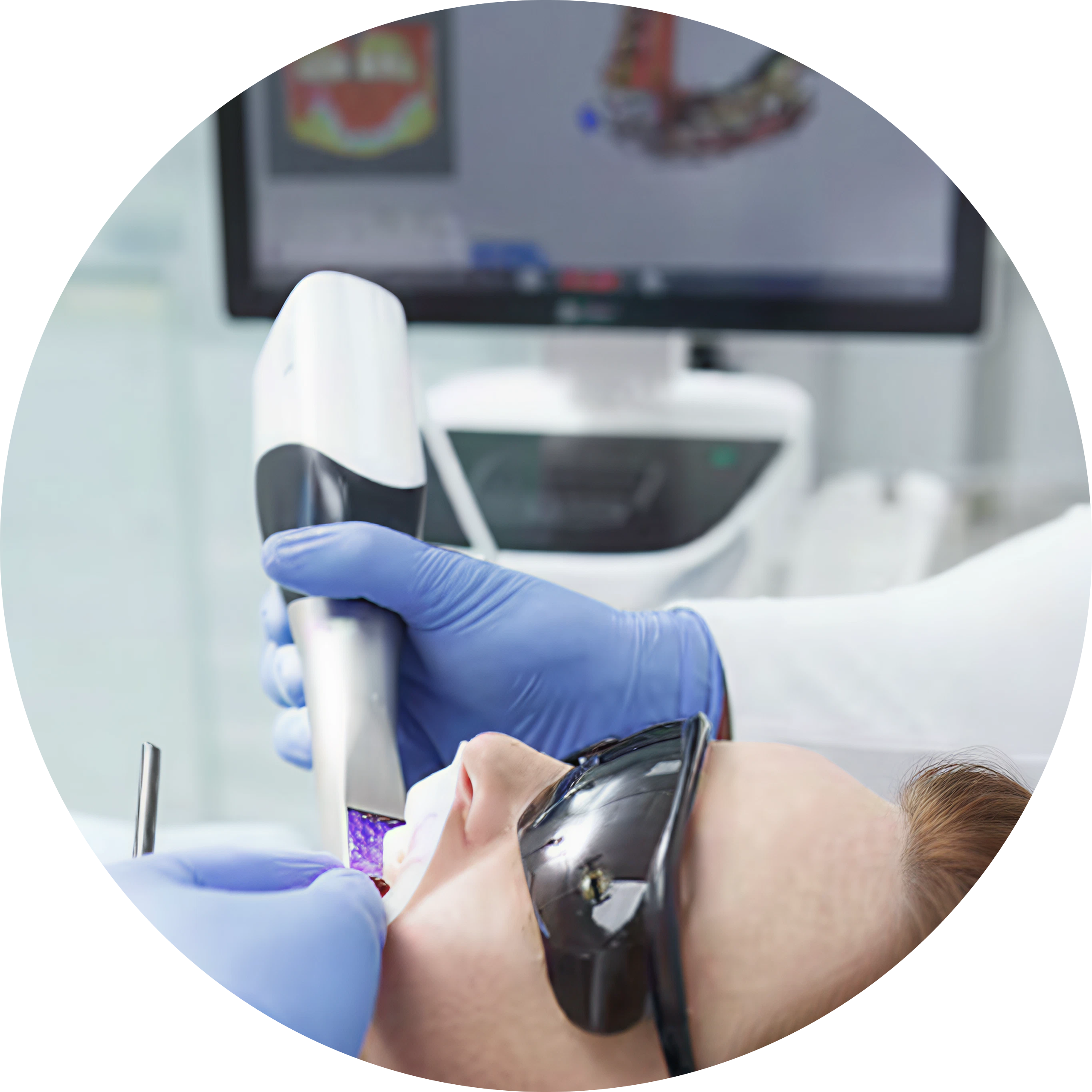
iTero Lumina Scanner

Virtual Case Consultations
For more complex cases, we offer virtual follow-up consultations where Dr. Wainwright reviews your records and works up your case in advance — then walks you through treatment options and next steps without requiring an additional in-office visit. Clear communication and careful preparation are part of how we plan well from the start.
Metal and Clear Braces
Metal and ceramic braces provide reliable correction for the full range of orthodontic needs, from straightforward alignment to complex bite correction. They remain one of the most efficient options for comprehensive, long-term stability.
What braces can treat:
- Crowding, spacing, and rotated teeth
- Overbites, underbites, crossbites, and open bites
- Complex bite relationships requiring precise force control
- Cases that need more precise directional movement than aligners allow
How it works:
Brackets are bonded to the front surface of each tooth and connected by an archwire, which applies gentle, continuous pressure to guide teeth into position. 3D CBCT imaging informs bracket placement and movement planning by showing root position and bone structure with precision unavailable from 2D imaging. Dr. Wainwright adjusts the wire at regular intervals to progress tooth movement according to your treatment plan.
What to expect:
- Brackets and archwires stay on throughout treatment
- Adjustment appointments every 5-6 weeks
- Treatment time varies by case, typically 12–24 months
- Some adjustment to chewing and speech in the first few days
- Specific food restrictions during treatment (no hard, sticky, or crunchy foods)
Invisalign Clear Aligners
Custom clear aligners for teens and adults — esthetic, removable, and digitally planned for predictable tooth movement. Every Invisalign case is personally designed and monitored by Dr. Wainwright.
What Invisalign can treat:
- Crowding and spacing
- Mild to moderate overbites, underbites, and crossbites
- Open bites and midline discrepancies
- Cases requiring refinement after braces
How it works:
Your treatment begins with a digital scan using our Lumina iTero scanner. Dr. Wainwright personally designs your tooth movement sequence from the resulting 3D model.
At your first appointment, small tooth-colored attachments are bonded to your teeth. These are designed to help the aligners control specific tooth movements with greater precision. You’ll then wear each set of aligners for approximately one week, progressing through your custom series, with periodic check-ins to monitor fit, movement, and additional refinements aligners needed.
What to expect:
- Aligners are removable for eating, brushing, and flossing
- Most patients wear aligners 20–22 hours per day for the best results
- Treatment time varies by case, typically 12–24 months
- Refinement trays may be included if additional movement is needed
Early Orthodontic Treatment (Phase I)
Phase I treatment evaluates growth and bite development in children to guide treatment when clinically indicated. We recommend expanders or early intervention only when it improves long-term outcomes. If monitoring is best, we will say so and track development carefully over time.
When early treatment may be recommended:
- Crossbites affecting jaw development
- Significant overcrowding with insufficient arch space
- Habits such as thumb-sucking that affect bite formation
- Early or late loss of baby teeth affecting spacing
- Jaw discrepancies that are more easily addressed while growth is active
What Phase I treatment may involve:
- Palatal expanders to create arch space and correct crossbites
- Partial braces to address specific teeth
- Growth-modifying appliances when jaw development warrants it
- Observation and monitoring when active treatment isn’t yet indicated
Our Approach:
Dr. Wainwright will tell you clearly if your child can wait, and if so, we monitor development at regular intervals so nothing is missed. When Phase I treatment is appropriate, it is designed to address the specific issue at hand and simplify — or in some cases eliminate — the need for more extensive treatment later. The best Phase I treatment is the one that earns its place, and parents deserve to hear plainly when no treatment is needed at all.
Surgical Orthodontics
Some bite and jaw issues go beyond what orthodontics can correct on its own. When the position of the jaws themselves affects how the teeth meet, the most predictable path forward combines orthodontic treatment with jaw surgery — coordinated carefully across both disciplines. Dr. Wainwright works closely with experienced oral and maxillofacial surgeons throughout the process, with planning that begins well before surgery and continues through final settling.
When jaw surgery may be recommended:
- Significant skeletal underbite, overbite, or open bite
- Jaw asymmetry affecting facial balance or function
- Difficulty chewing, biting, or breathing related to jaw position
- Severe crossbites with skeletal involvement
- Bite issues that have not responded to orthodontics alone
The treatment process typically unfolds in three phases:
- Pre-surgical orthodontics to align the teeth precisely, so the surgeon can reposition the jaws into a stable, functional bite
- Jaw surgery performed by a coordinated oral and maxillofacial surgeon, with timing and planning developed jointly
- Post-surgical orthodontics to refine the bite and ensure long-term stability as the teeth settle into their new position
Our Approach:
Surgical orthodontics is not handled in isolation. Dr. Wainwright works directly with established oral and maxillofacial surgeons in the area, coordinating each phase of treatment so the orthodontic and surgical work move together rather than in sequence. Diagnosis is supported by 3D CBCT imaging, which provides the skeletal detail necessary to plan surgical movements with precision.
Not every bite issue requires surgery, and not every patient who has been told they need surgery actually does. We provide a thorough evaluation and a clear recommendation — whether that means surgical orthodontics, conventional treatment, or something in between.
Multidisciplinary Care
Some treatment plans require coordination across multiple specialties. When orthodontic care is part of a larger plan involving implants, cosmetic work, or complex restorations, Dr. Wainwright works directly with your general dentist, periodontist, prosthodontist, or oral surgeon to align timing and movement across the full treatment.
Common multi-disciplinary cases include:
- Orthodontic preparation for dental implants
- Coordinated planning for cosmetic restorations and veneers
- Pre-prosthetic alignment for complex restorative work
- Combined care with periodontal treatment
Airway-Focused Evaluation
For certain patients, we assess jaw development, growth patterns, and function with airway considerations in mind. When clinically indicated, we may recommend approaches such as expansion to support structure, function, and healthy development.
Retainers
Treatment doesn’t end when the braces or aligners come off. Retainers maintain the position of your teeth as the surrounding bone and tissue stabilize, and consistent retainer wear is the single most important factor in keeping your results long-term.
We offer three retainer options:
- Vivera retainers — clear, durable trays from the makers of Invisalign
- Hawley retainers — traditional removable retainers with a custom-fit acrylic base and wire
- Bonded fixed retainers — a thin wire bonded behind the teeth for continuous retention
Dr. Wainwright will recommend the type best suited to your case. We also welcome patients who have completed orthodontic treatment elsewhere and need replacement retainers or new retention options.
Emergency Orthodontic Care
If something breaks or feels off, we can help quickly. From loose brackets to lost aligners, we offer guidance and timely visits when needed to keep treatment comfortable and on track.
Real patients, real results
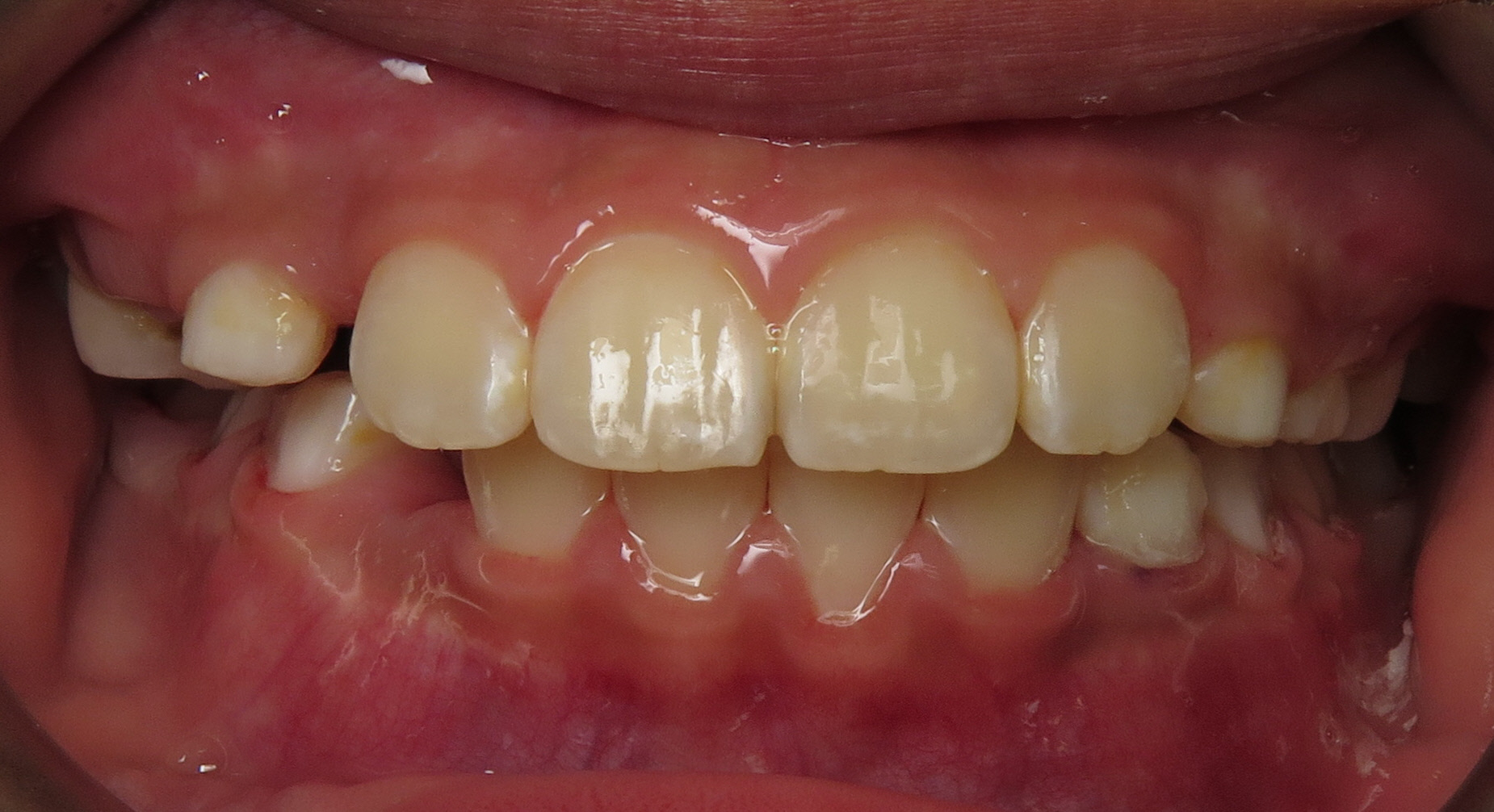
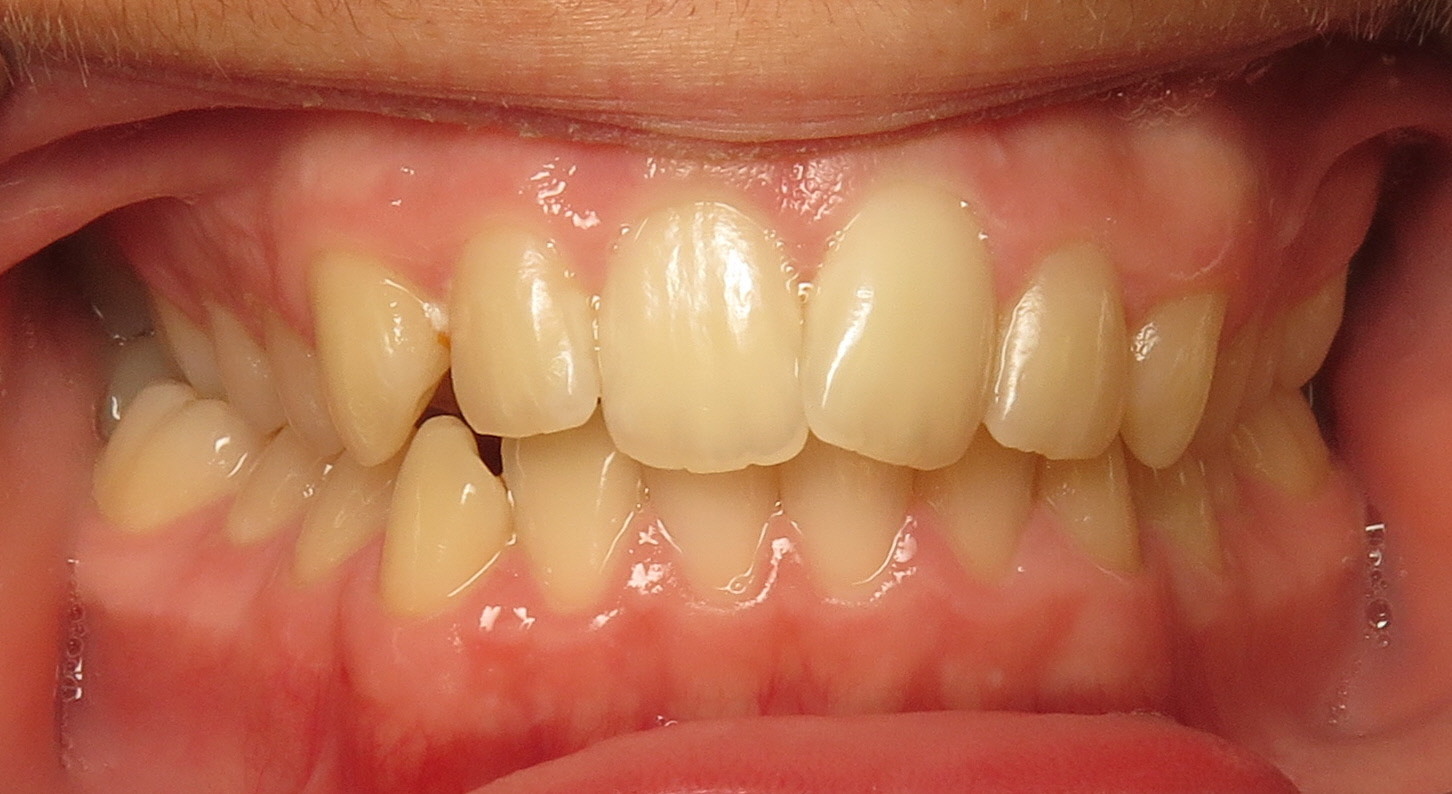
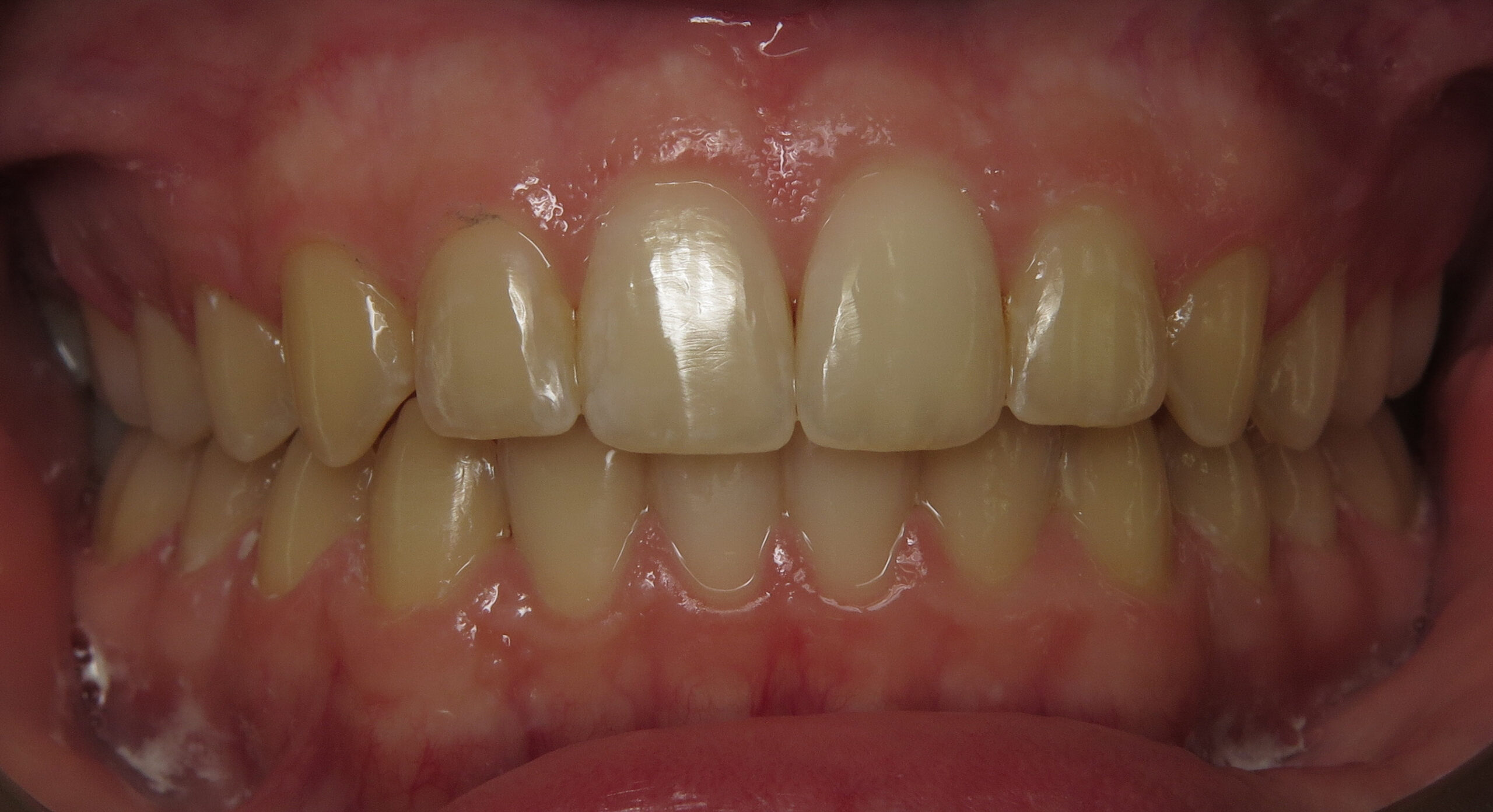
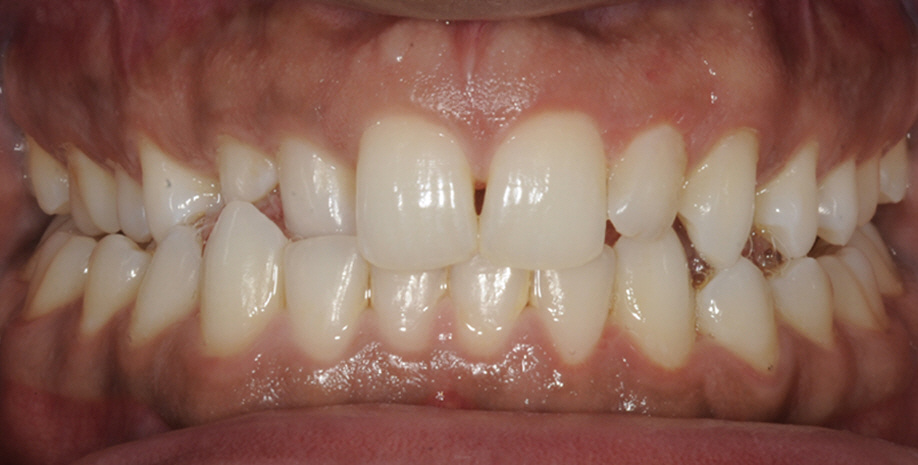
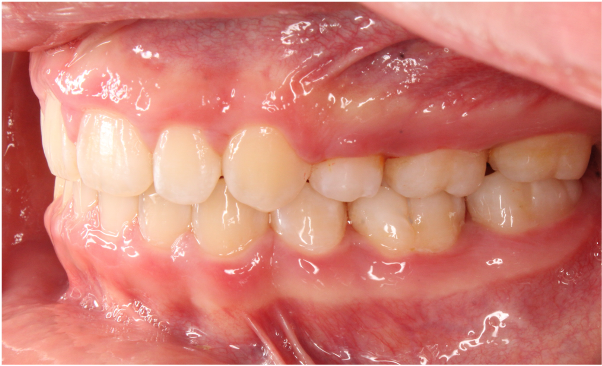
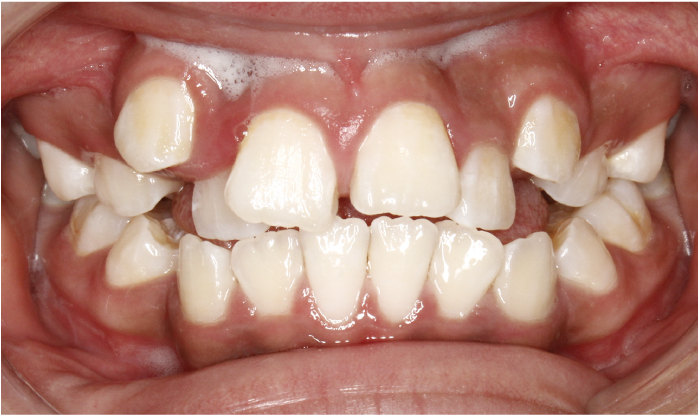
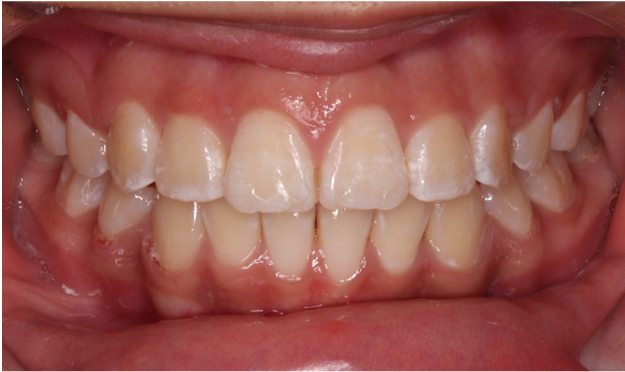
Smile gallery
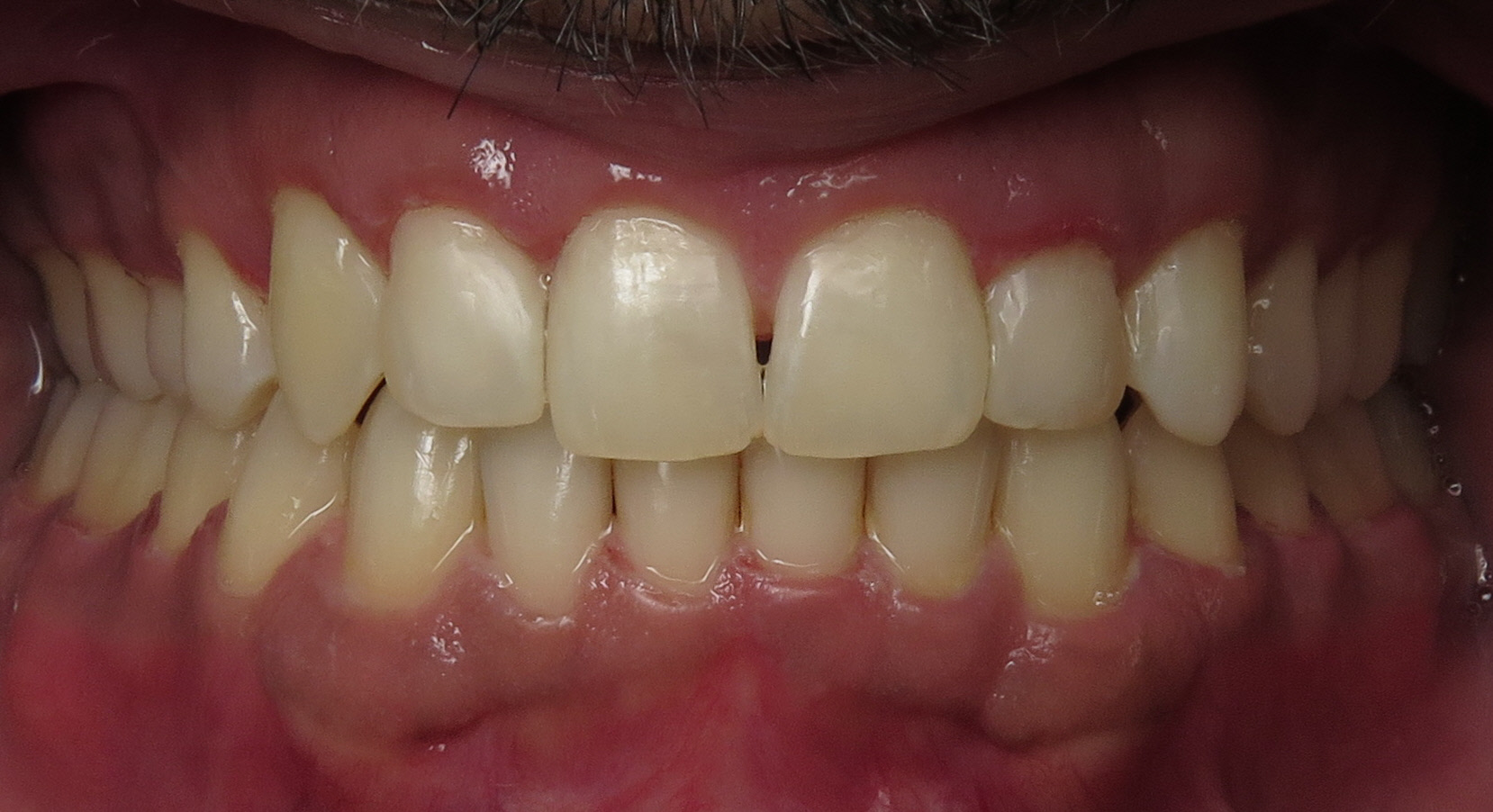
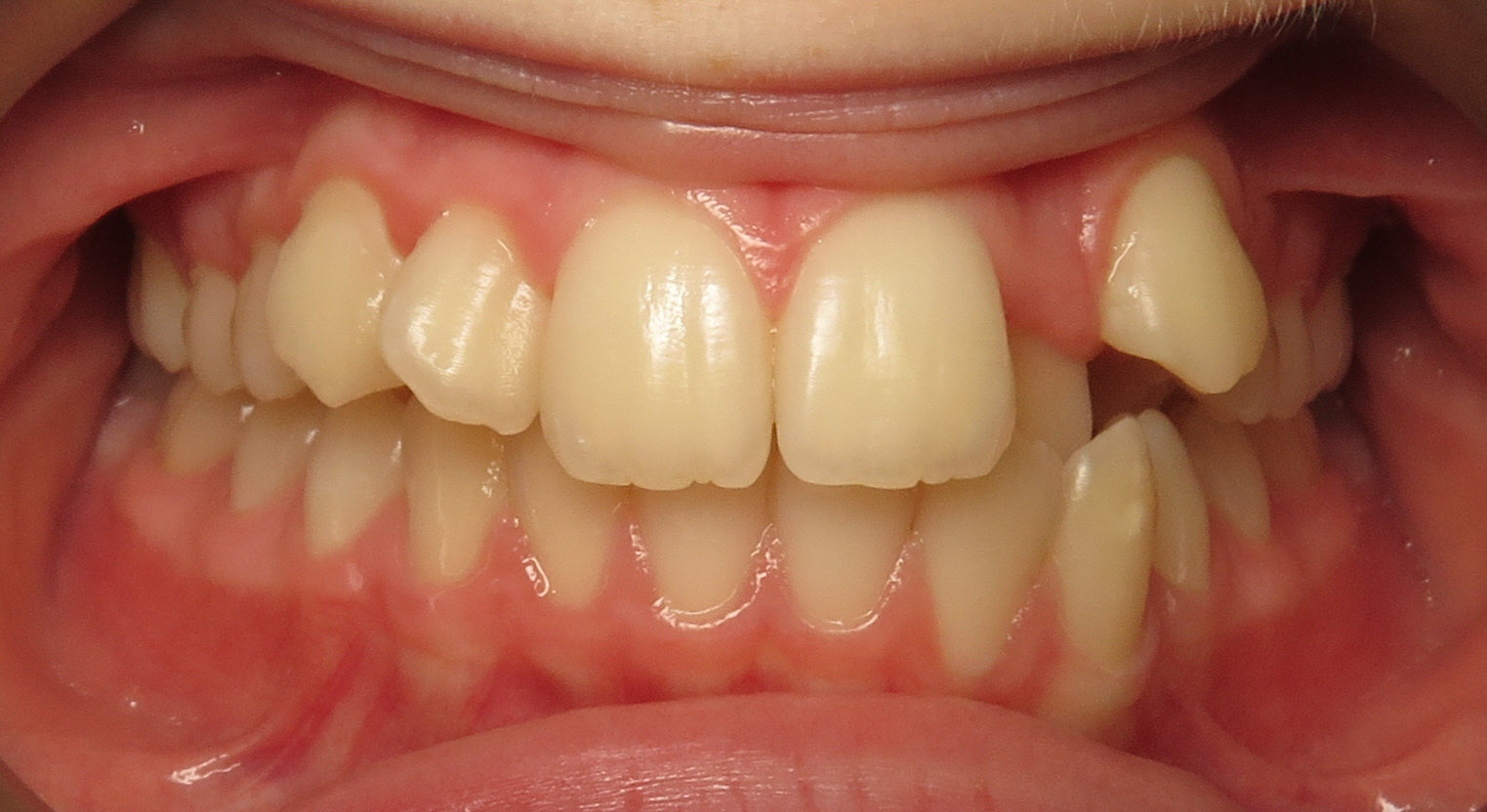
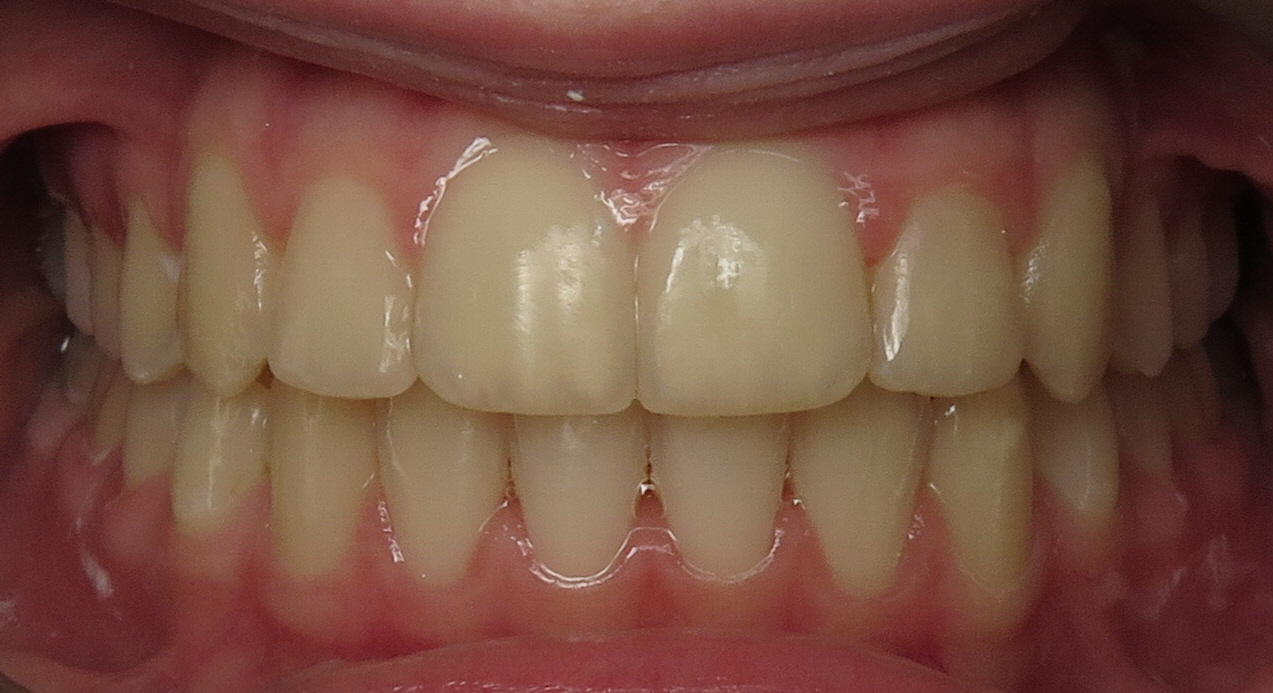
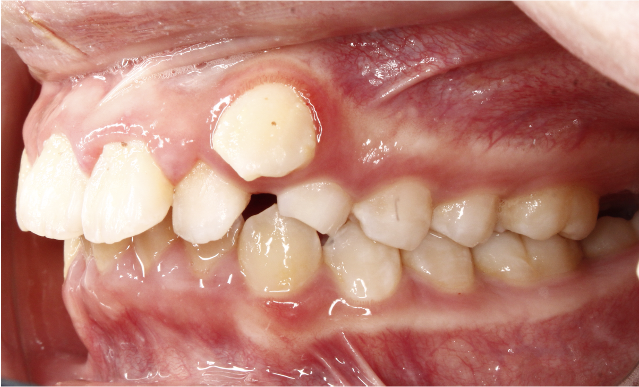
Every case shown was treated by Dr. Wainwright from start to finish. Results reflect individualized treatment, not a one-size protocol.
Your Questions, Answered
Do you offer both braces and Invisalign?
When should my child see an orthodontist?
Do you treat adults?
What makes your practice different?
How long does orthodontic treatment take?
Will I need to have teeth removed?
Is Invisalign as effective as braces?
Do you offer early treatment for children?
Do you offer payment plans or accept insurance?

Visit us
Serving Sunnyvale and surrounding communities with board-certified orthodontic care.
- 1301 Sunnyvale Saratoga Road, Suite 2
Sunnyvale, CA 94087 - (408) 739-4224
- Monday 8:15 AM – 5:00 PM
Tuesday 8:15 AM – 5:00 PM
Wednesday 8:15 AM – 5:00 PM
Thursday 8:15 AM – 5:00 PM
Friday–Sunday – Closed